
VI Peel Treatment: How It Works, What It Treats, and What to Expect
A VI Peel is a medium-depth chemical peel developed by the Vitality Institute. It addresses several common skin concerns at once, including uneven texture, signs of aging, hyperpigmentation, and acne. The treatment works by removing the outermost layer of skin and prompting the body to produce new collagen and elastin in the deeper layers.
Unlike many medium-depth peels, the VI Peel is gentle enough to be used on the face, chest, hands, and back, and it is considered safe for all skin types and tones.
How a VI Peel Works
Skin renews itself on a cycle of roughly 28 days when we are young, but that cycle slows considerably with age. As turnover slows, dead cells linger on the surface, pigment becomes uneven, and the skin starts to look dull and tired. A VI Peel speeds the process back up.
The solution is applied to clean skin and absorbs into the epidermis and the upper portion of the dermis. Over the next several days, the treated layer lifts away to reveal newer, smoother cells underneath. At the same time, the controlled injury to the skin signals the body to begin a healing response, which includes increased production of collagen and elastin. The result is firmer, clearer skin with more even tone and refined texture.
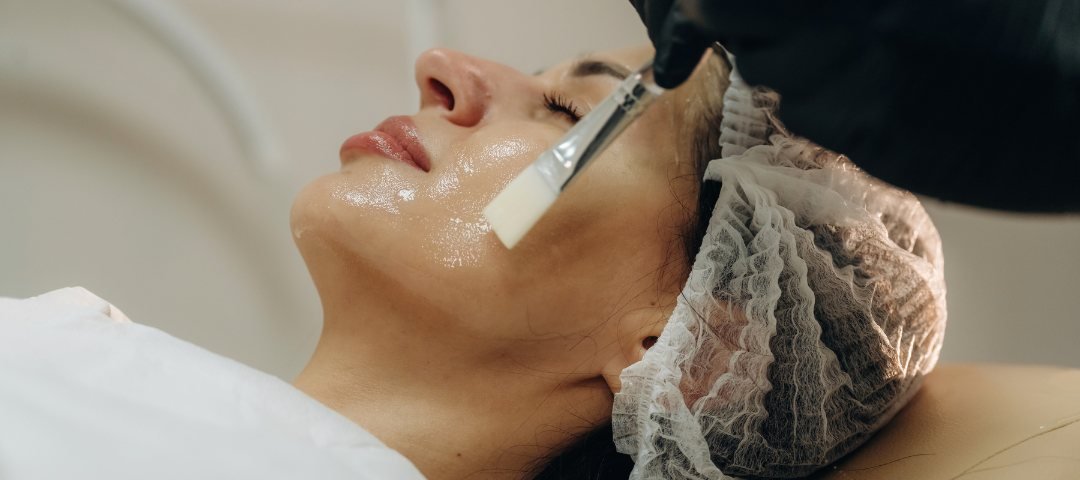
The peel itself takes about 30 minutes in the office. Patients leave with the solution still on the skin and wash it off at home several hours later, following specific aftercare instructions.
What a VI Peel Treats
A single VI Peel can address multiple concerns at the same time, which is one of the reasons it has become a popular option in medical aesthetics.
Hyperpigmentation and Melasma
The peel breaks up surface pigment and accelerates the shedding of pigmented cells. It is one of the few medium-depth peels considered safe for darker skin tones, where many other peels carry a risk of worsening discoloration. For melasma, a series of peels combined with sun protection and topical care typically produces the best results.
Acne and Acne Scars
The salicylic acid component clears pores and reduces inflammation, while the deeper exfoliation softens the appearance of post-acne marks and shallow scarring. Patients with active breakouts often see fewer new lesions in the weeks following treatment.
Fine Lines and Early Signs of Aging
By rebuilding collagen and accelerating cell turnover, the VI Peel softens fine lines around the eyes and mouth and improves overall firmness. It is most effective on early signs of aging rather than deep wrinkles, which usually require additional treatments.
Sun Damage
Years of sun exposure leave behind rough patches, brown spots, and a generally weathered look. A VI Peel removes much of that surface damage and encourages healthier skin to take its place.
Rough Texture and Dullness
For patients whose main concern is simply that their skin no longer looks fresh, a VI Peel restores smoothness and a natural glow by removing the buildup of dead cells and stimulating renewal underneath.
Body Areas
The chest, hands, and back can also be treated. These areas often show pigmentation and texture changes from sun exposure and tend to be neglected in skincare routines. The same peel solution works on these areas with adjusted technique.
What to Expect During and After Treatment
The treatment itself is well tolerated. Most patients describe a mild stinging or warm sensation during application that subsides quickly. No anesthesia is required.
The skin will look slightly flushed immediately after the appointment, similar to a mild sunburn. Over the next two to three days, the skin begins to peel, and visible flaking continues for about four to seven days. The peeling is usually light and manageable. It is important not to pick or pull at the skin during this time, which can lead to irritation or pigmentation changes.
By day seven, most patients see noticeably brighter, smoother skin. Continued improvement happens over the following weeks as collagen rebuilds.
How Many Treatments Are Needed
A single VI Peel produces visible results, but most concerns respond best to a series. A typical recommendation is three to six peels spaced four to six weeks apart, followed by maintenance treatments two to four times per year. The exact plan depends on the concern being treated and how the skin responds.
Aftercare and What to Avoid
Sun protection is essential during and after the peeling process. Newly revealed skin is more vulnerable to UV damage, and unprotected exposure can undo much of the benefit and trigger pigmentation. Daily broad-spectrum sunscreen and limited direct sun exposure are required during the healing window.
Patients should also avoid retinoids, exfoliating acids, and harsh scrubs for about a week before and after the peel. Specific instructions are provided at the time of treatment.
Who Is a Good Candidate
Most adults with concerns about pigmentation, acne, fine lines, or texture are good candidates for a VI Peel. It is not appropriate during pregnancy or breastfeeding, for patients with active cold sores in the area, or for those with certain skin conditions that affect healing. A consultation determines whether the treatment fits your skin and goals.
Considering a VI Peel
A VI Peel offers meaningful improvement in tone, texture, and clarity with relatively little downtime, which makes it a strong option for patients who want noticeable results without the recovery period of more aggressive treatments.
To discuss whether a VI Peel is right for your skin, you can book a consultation or view our full list of treatments.